Mobile Security vs Static Guards: Which Is Best for Your UK Business?
September 11, 2026
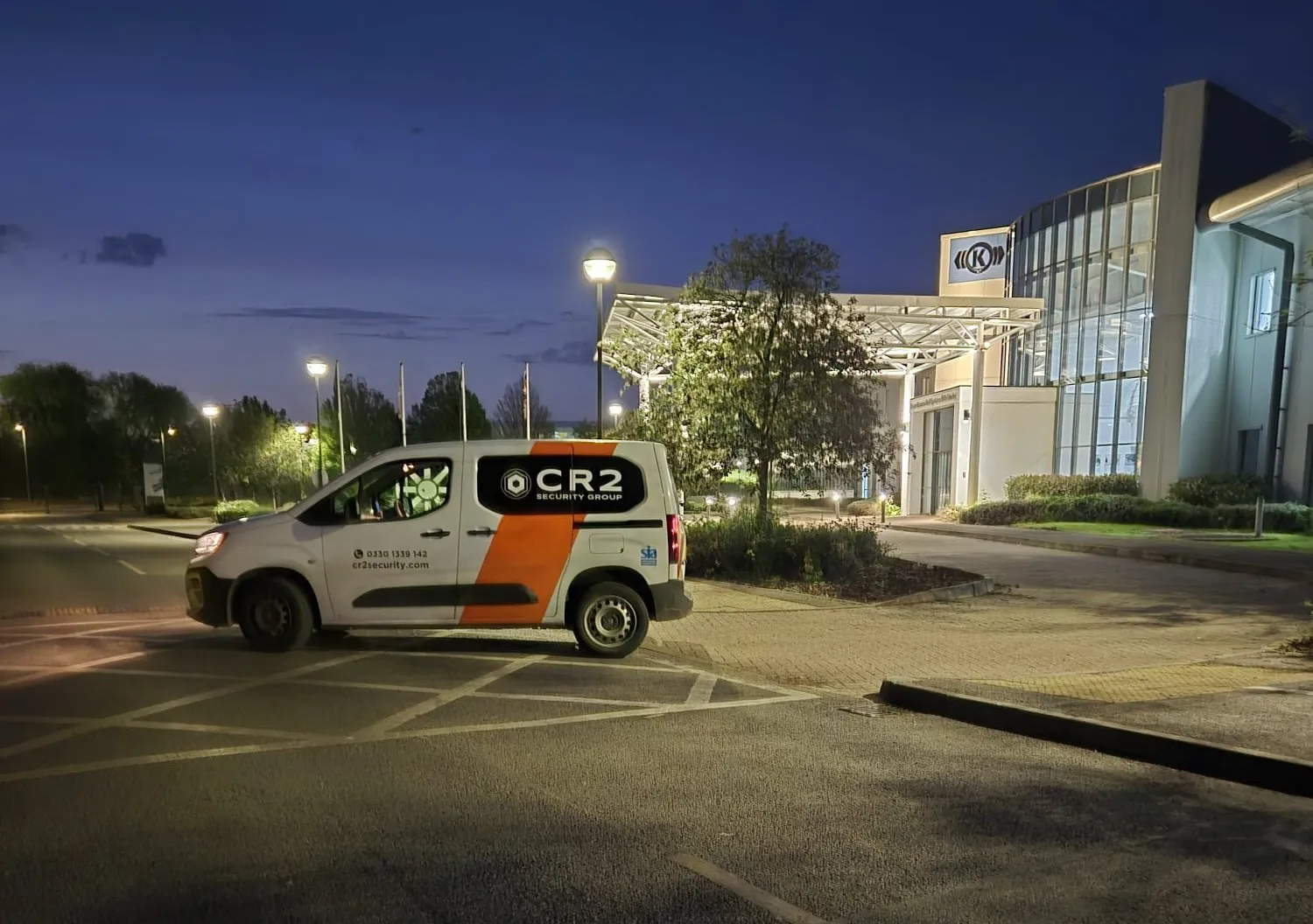
Choosing the right security solution for your business is not always as simple as deciding between mobile security patrols and static security guards. Both services can provide valuable protection, but they are designed to solve different security challenges.
Choosing the right security solution for your business is not always as simple as deciding between mobile security patrols and static security guards.
Both services can provide valuable protection, but they are designed to solve different security challenges.
A static security guard may be the right choice for a busy construction site, warehouse, office complex, retail environment or commercial premises that requires a permanent security presence.
For another business, regular mobile patrols, professional keyholding and alarm response may offer a more flexible and cost-effective solution.
The important question is not simply:
Which is better: mobile security or static security?
The better question is:
What type and level of security does your business actually need?
For many UK businesses, the best answer is not one service in isolation. A layered security solution combining mobile patrols, keyholding, alarm response, CCTV, access control and other measures can provide a more practical and proportionate approach.
This guide examines the differences between mobile security and static security guards, including costs, benefits, compliance considerations and the factors businesses should consider before making a decision.
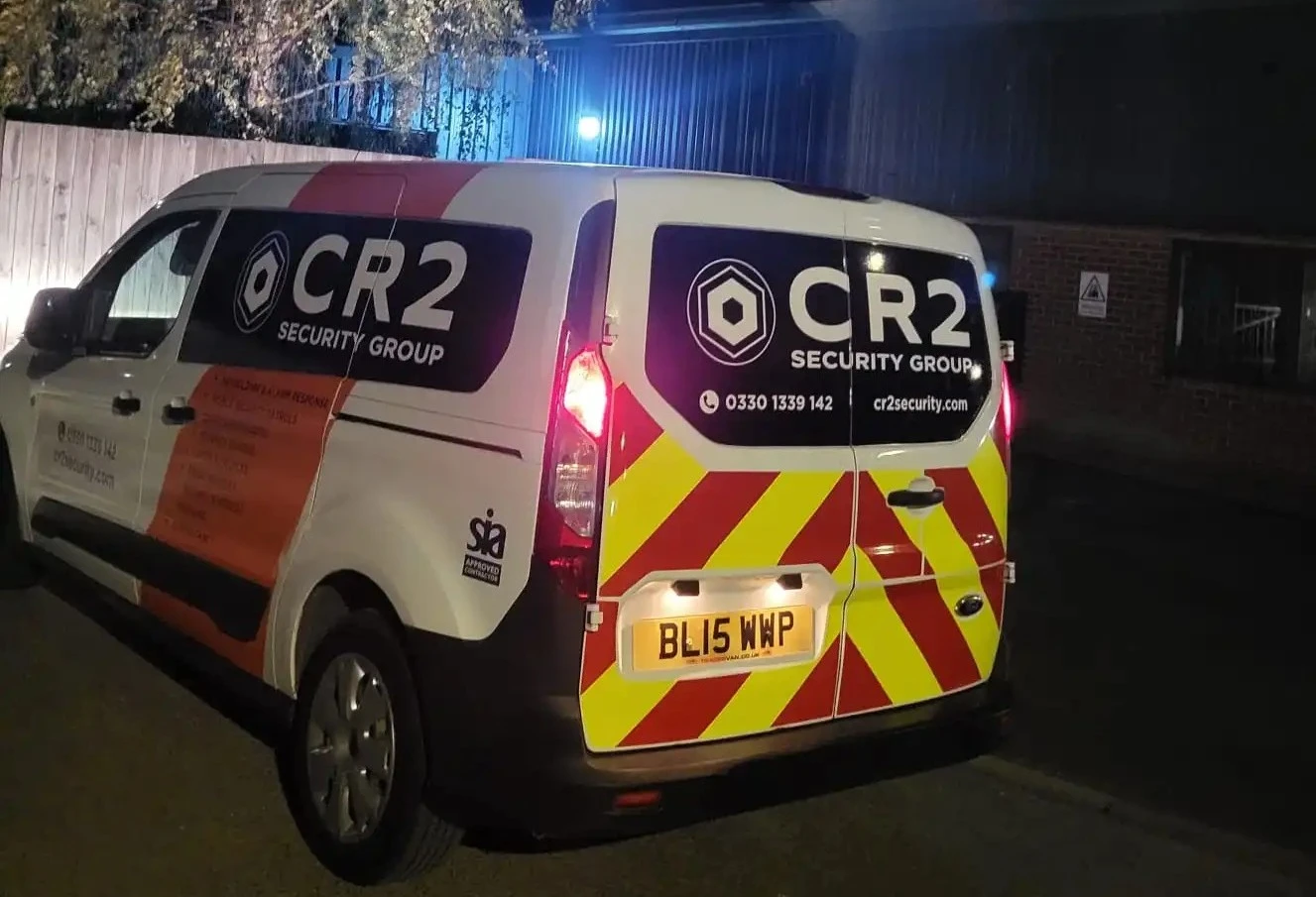
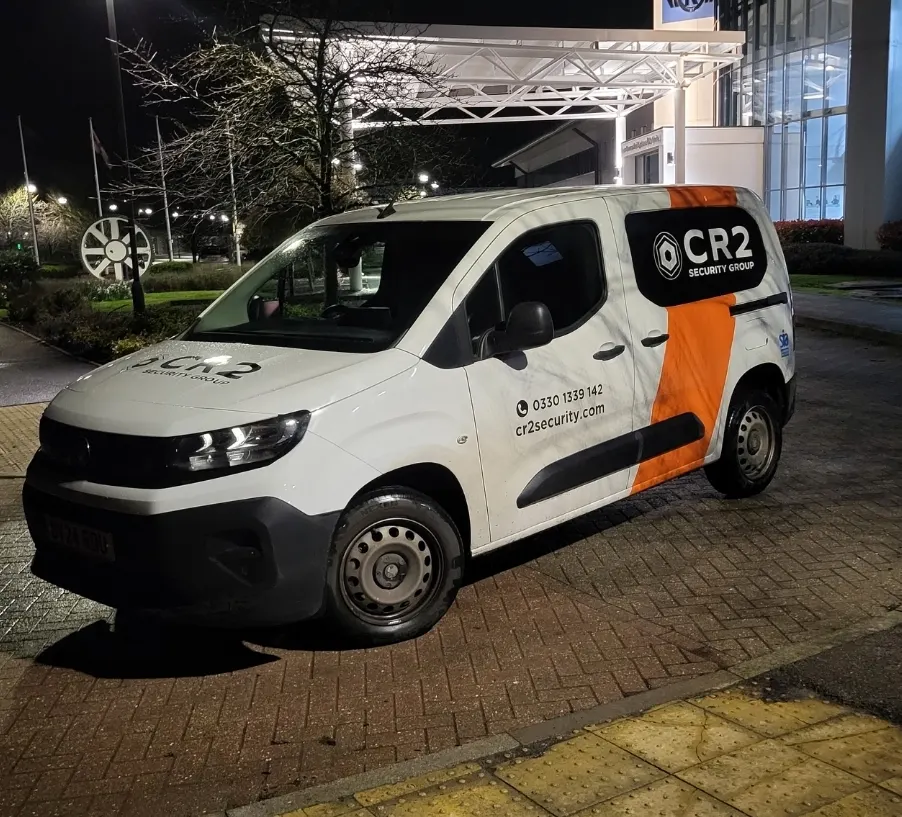
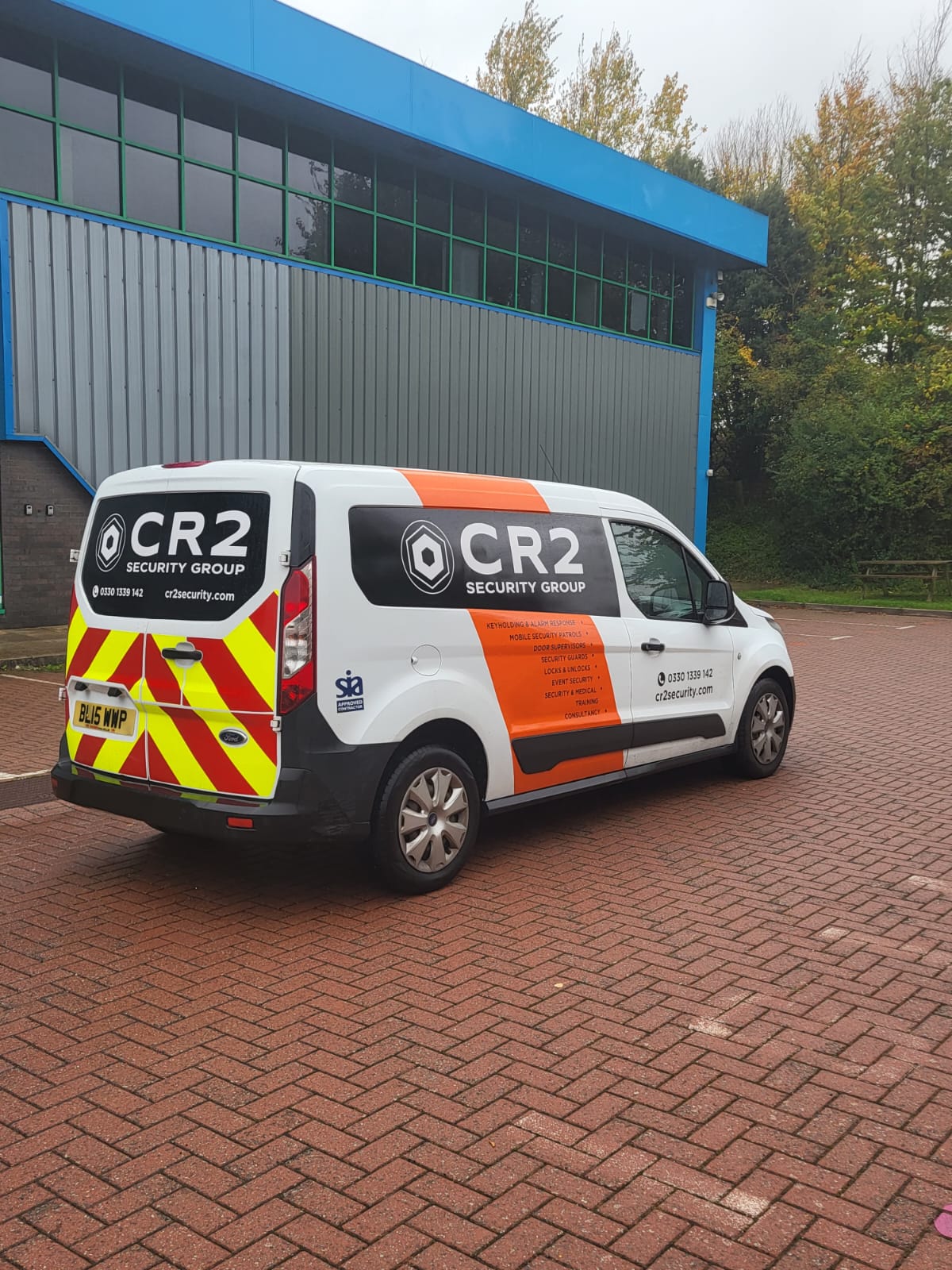
Mobile security involves trained security professionals travelling between one or more locations in a marked or identifiable security vehicle.
Depending on the service, mobile security patrols may include:
Mobile security is particularly useful for businesses that do not require a security officer to remain on-site continuously.
A patrol officer can visit a property at agreed times, check for signs of damage, trespassing, attempted break-ins, fire or other issues, and record the outcome of each visit.
This creates a visible security presence without the cost of having a guard permanently stationed at the premises.
One of the biggest advantages of mobile security is flexibility.
Not every business needs a security officer standing at the premises for eight, twelve or twenty-four hours a day.
Mobile patrols allow businesses to access professional security services when and where they are most useful.
For example, a business may choose to have:
This can create a strong security presence without the expense of permanent guarding.
Mobile security can also be effective because patrols can be scheduled at different times.
A predictable patrol routine can be useful, but randomised patrols can make it more difficult for criminals to anticipate exactly when a security officer will be present.
Mobile security can also be combined with technology and other services, including:
This makes mobile security an important part of a wider security strategy.
Mobile security does not provide a permanent presence.
A patrol officer cannot be at every location simultaneously.
If your business requires constant access control, continuous monitoring or an immediate physical presence, mobile patrols alone may not be sufficient.
For example, a high-value construction site may require a static guard overnight, supported by mobile patrols at other times.
The right question is therefore whether your business needs a constant on-site presence or whether regular security visits and a professional response capability are sufficient for the risks you face.
Static security guards are security officers who remain at a specific site or location for an agreed period.
They may be responsible for:
Static guarding can be particularly valuable where a business needs a constant physical presence.
For example, a construction site with valuable equipment may benefit from an overnight security guard who is present throughout the entire shift.
A warehouse may need a guard to monitor access and deliveries.
A commercial building may require reception security or access control during working hours.
In these situations, a mobile patrol that visits occasionally may not provide the same level of continuous coverage.
The biggest advantage of static guarding is continuous presence.
A security officer can remain on-site throughout their shift, observing activity and responding to incidents as they occur.
This can be especially valuable for:
A visible security guard can also act as a strong deterrent.
Criminals may be less likely to target a property when they know a trained security professional is physically present.
Static guards can also deal with situations that require immediate attention.
They can control access, monitor vehicles, assist with visitor management and report incidents in real time.
The main disadvantage of static guarding is cost.
A static security guard is generally charged according to the hours required.
Therefore, a business requiring 24-hour guarding may need to cover multiple shifts and staffing requirements.
The cost can quickly become significant, particularly where several guards are needed to provide continuous coverage.
For some businesses, this may be the right investment.
For others, a combination of technology, mobile patrols, keyholding and alarm response may provide a more proportionate solution.
The strongest argument for mobile security is flexibility.
Not every business needs a security officer standing at the premises for eight, twelve or twenty-four hours a day.
For some businesses, this would provide more security than they actually require while creating a significant ongoing cost.
Mobile patrols allow businesses to purchase security presence when and where it is most useful.
For example, a business may choose to have:
This can create a strong security presence without the expense of permanent guarding.
Mobile security can also be particularly useful for businesses with multiple locations.
Instead of having a static guard at every property, a security company may be able to provide scheduled patrols across several sites.
Mobile security does not provide a permanent presence.
A patrol officer cannot be at every location simultaneously.
If your business requires constant access control, continuous monitoring or an immediate physical presence, mobile patrols alone may not be sufficient.
For example, a high-risk construction site may still require a static guard overnight, supported by mobile patrols.
The biggest advantage of having static security guards is continuous presence.
A security officer can remain on-site throughout their shift, observing activity and responding to incidents as they occur.
This can be especially valuable for:
A visible security guard can also act as a strong deterrent.
Criminals may be less likely to target a property when they know a trained security professional is physically present.
Static guards can also deal with situations that require immediate attention.
They can challenge unauthorised access, monitor vehicles, assist with visitor management and report incidents in real time.
The main disadvantage is cost.
A static security guard is generally charged according to the hours required.
Therefore, a business requiring 24-hour guarding may need to cover multiple shifts and staffing requirements.
The cost can quickly become significant, particularly where several guards are needed to provide continuous coverage.
For some businesses, this may be the right investment.
For others, a combination of technology, mobile patrols, keyholding and alarm response may provide a more proportionate solution.
There is no single price for business security.
The cost will depend on factors such as:
A static security guard is generally priced around the hours and staffing required.
The more hours required, the greater the overall cost.
A mobile patrol service may provide a more flexible pricing model because patrols can be scheduled according to the specific risk profile of a site.
However, the cheapest security option is not always the most cost-effective.
A business should consider the potential cost of:
The correct question should therefore be:
What level of security provides appropriate protection for the risk we face?
Rather than simply:
What is the cheapest security service available?
A reputable security company should be able to discuss your requirements and provide a solution based on your risk rather than attempting to sell you the largest possible package.
One of the biggest mistakes businesses make is thinking they have to choose just one security service.
In reality, security is often most effective when different measures work together.
For example, a business could use:
This could include:
This could include:
A professional security company can hold keys to your premises and respond when an alarm is activated.
This can reduce the need for business owners, managers or employees to attend the premises during potentially dangerous or uncertain situations.
Patrols can provide a regular visible presence and help identify issues before they become larger problems.
For higher-risk periods or locations, a static security officer may provide continuous protection.
A layered security system may therefore look like this:
CCTV and alarm system → alarm activation → monitoring centre or designated response process → professional alarm response → site inspection → incident escalation if necessary.
Alternatively:
Static guard during high-risk hours → mobile patrols outside those hours → keyholding and alarm response overnight.
This type of approach can help businesses balance protection, risk and cost.
Many business owners still keep their premises keys themselves and respond personally when an alarm activates.
This may not be the safest or most practical approach.
If an alarm is activated at 2am, the business owner may not know whether it was:
Attending alone can create unnecessary risks.
With professional keyholding and alarm response, an appropriately trained security professional can attend the premises according to the agreed response procedures.
The service may include:
Keyholding and alarm response can be used alongside mobile patrols or static guarding.
For many businesses, this creates a valuable additional layer of protection.
Compliance should be an important part of your decision when selecting a security provider.
In the UK, many private security activities are regulated by the Security Industry Authority (SIA).
Businesses should ensure that security personnel have the appropriate licence for the work they are carrying out.
The SIA identifies activities including security guarding and keyholding as licensable activities in relevant circumstances.
It is also important to understand that SIA licensing and company accreditation are not the same thing.
The SIA licenses individuals carrying out licensable activities. The Approved Contractor Scheme (ACS) is a voluntary quality assurance scheme for security businesses.
When choosing a security company, you should consider asking:
The exact compliance requirements will depend on the services being provided and the circumstances of the work.
For this reason, businesses should not simply choose a provider based on price.
A professional security provider should be able to explain its compliance arrangements clearly.
Whether you choose mobile security, static guarding or a layered solution, there are several important factors to consider.
Does the company have experience securing businesses similar to yours?
Security requirements can vary significantly between:
Relevant experience can be valuable.
You should know:
A good security service should provide clear evidence of activity.
Depending on the service, this may include:
Security staff should have the training and licensing appropriate to their duties.
Do not be afraid to ask about qualifications, vetting and experience.
Your security provider should have appropriate insurance for the services it provides.
You may also need to check whether your own insurance policy has specific security requirements.
Your security requirements may change.
A business might need mobile patrols initially and later require static guarding during a period of increased risk.
A flexible provider may be able to adapt the service as circumstances change.
Mobile security patrols may be suitable if:
For many small and medium-sized businesses, mobile security can offer a practical balance between visible protection and cost.
Static security guarding may be more suitable if:
For these businesses, the cost of static guarding may be justified by the level of protection required.
There is no universal answer.
The best solution depends on your risk profile.
For a small office, a combination of an alarm, CCTV, professional keyholding and mobile patrols may provide an effective solution.
For a large construction site with valuable equipment, static guarding supported by mobile patrols may be more appropriate.
For a business with multiple locations, scheduled mobile patrols may be more practical than employing permanent guards at every site.
For higher-risk businesses, a layered approach may be the strongest option.
The most effective security strategy is usually one that considers:
People + procedures + technology + physical protection.
Mobile security and static security guards are not necessarily competing alternatives.
They are different tools for different security requirements.
Mobile security patrols offers flexibility, visibility and the ability to provide regular checks across one or multiple locations.
Static security guards offer a continuous physical presence and are particularly useful where constant monitoring or access control is required.
For many UK businesses, the most effective solution may be a combination of both.
Mobile patrols can provide regular deterrence.
Keyholding can remove the burden of responding personally to emergencies.
Alarm response can provide a professional physical response when an alarm is activated.
Static guards can provide continuous protection where the risk justifies the investment.
The right answer is to assess your risks first, then build a security solution around them.
If you are unsure whether mobile security, static guarding, keyholding, alarm response or a combination of services is right for your business, speak to a professional security provider for a tailored assessment and quotation.
Mobile security can often be more cost-effective where a business does not require a security officer to remain on-site continuously. However, costs depend on patrol frequency, location, risk level, response requirements and the services included.
Yes. Mobile patrols can provide a visible deterrent, regular site inspections and a physical response capability. They are often particularly effective when combined with CCTV, alarms, keyholding and clear incident procedures.
Many private security activities are licensable under the SIA framework. Businesses should ensure that security personnel have the correct licence for the activities they are carrying out.
Professional keyholding involves a security provider holding authorised keys or access devices for a business premises and responding according to agreed procedures when access is required, including in connection with alarm activations.
The security provider follows the agreed response procedure. This may involve attending the premises, checking for signs of intrusion or damage, securing the property where possible and escalating the incident appropriately.
The exact procedure will depend on the service agreement and circumstances.
It depends on your security requirements. Mobile patrols may be suitable for regular checks and deterrence, while static guarding may be better where a constant physical presence is needed.
Yes. Many businesses use a layered approach. For example, a static guard may provide protection during the highest-risk hours, while mobile patrols provide additional checks at other times.
Yes. These services can often be combined to create a broader security package.
Ask about SIA licensing, relevant experience, insurance, procedures, reporting, key control, staff vetting, response arrangements and any relevant accreditations or quality standards.
Not necessarily. The lowest price may not provide the level of service, reliability, compliance or protection your business requires. Security should be assessed based on risk, not price alone.
Start by identifying your risks, vulnerable times, valuable assets, access requirements and existing security measures. A professional security company should then be able to recommend a proportionate combination of services.
Every business has different security risks, which is why there is no one-size-fits-all approach to business security.
Whether you need mobile security patrols, permanent security guards, professional keyholding and alarm response or a combination of security services, CR2 Security can help you find the right solution for your business.
Based in Salisbury, Wiltshire, we provide tailored security solutions designed around your premises, operating hours, security risks and budget. From commercial properties and construction sites to offices, warehouses and vacant premises, our experienced team can help you identify the most suitable level of protection.
If you are unsure whether mobile patrols or static security guards are right for your business, or you are looking to strengthen your existing security with keyholding and alarm response, speak to CR2 Security today.
Want to step up your security? Get in touch with CR2 Security for a free security quote today!
Stay informed with the latest updates from CR2 Security. Explore company news, important announcements, and insights into our security services—all in one place!


.png)


.avif)



.webp)
.webp)