Professional Keyholding vs Using Employees as Keyholders: What Every Business Should Consider Is asking an employee to respond to a business alarm really the safest, most reliable or most cost-effective solution?
October 22, 2026
Is asking an employee to respond to a business alarm really the safest, most reliable or most cost-effective solution?
Is asking an employee to respond to a business alarm really the safest, most reliable or most cost-effective solution?
For thousands of businesses across the UK, the responsibility of responding to an out-of-hours alarm activation falls to a director, manager or trusted member of staff.
It is an arrangement that often develops out of convenience. Someone needs to hold the keys, answer the telephone and attend the premises when an alarm activates.
But what happens when that alarm goes off at 2:30am?
Your employee may be asleep, miles away from the premises, on annual leave or unavailable. They could be expected to attend a potentially dangerous situation without security training, specialist equipment or any clear understanding of what they might encounter.
For businesses responsible for protecting employees, commercial premises and valuable assets, this raises an important question:
Should employees be responsible for responding to security alarms, or should that responsibility be entrusted to a professional keyholding and alarm response company?
At CR2 Security Group, we provide professional keyholding and alarm response services across Wiltshire, Somerset, Dorset, Hampshire and the wider South West.
In this article, we examine the differences between employee keyholders and professional security response services, including the potential risks, employer responsibilities, operational challenges and financial considerations.
An employee keyholder is a member of staff who has been nominated to hold keys or access credentials for their employer's premises.
They may be responsible for attending the property outside normal working hours following an intruder alarm activation, fire alarm notification, building access issue or another incident requiring someone to attend.
In many businesses, this responsibility falls to:
The arrangement can appear straightforward and inexpensive.
However, there is a significant difference between being trusted with a set of keys and being suitably prepared to respond to a potential security incident.
An alarm activation may be caused by a technical fault, an insecure door or an accidental trigger. Equally, it could indicate attempted burglary, criminal damage, unauthorised access or another potentially hazardous situation.
An employee attending alone may have no way of knowing what they are approaching.
Perhaps the most important consideration is the safety of the person attending.
Imagine receiving a telephone call at 3am informing you that the intruder alarm at your workplace has activated.
You travel to the premises, potentially alone, with limited information about what has caused the activation.
When you arrive, you discover an open door, a damaged window or signs of forced entry.
What should you do next?
Should you enter the building? Contact the police? Remain outside? Attempt to secure the premises?
Without appropriate training, equipment and established procedures, an employee may inadvertently expose themselves to unnecessary danger.
Potential hazards include:
Professional security officers are trained to assess situations, identify risks and follow appropriate response procedures.
Importantly, professional alarm response does not mean confronting intruders or entering unsafe premises. A responsible security officer should prioritise personal safety, maintain a safe position and request emergency assistance where necessary.
For employers, this distinction is particularly important.
When an employee is expected to respond to an alarm as part of their employment, their employer must consider the associated health and safety risks.
The Health and Safety Executive (HSE) makes clear that employers must manage the risks associated with lone working.
This includes identifying foreseeable hazards, implementing appropriate control measures and ensuring workers receive suitable training, supervision and support.
An employee attending commercial premises alone during the night may be exposed to risks that would not normally arise during their regular working day.
Businesses should therefore consider:
The HSE's guidance on managing lone-working risks highlights the importance of training, supervision, monitoring and maintaining communication with employees working alone.
Using an employee as a keyholder is not automatically unlawful. However, employers must adequately assess and manage the risks involved.
Outsourcing alarm response to a competent professional provider can help reduce employees' exposure to those risks, although it does not remove an employer's wider health and safety responsibilities.
An effective alarm response arrangement needs to function outside normal business hours.
That includes evenings, weekends, bank holidays and periods when employees are unavailable.
But what happens when your nominated keyholder is:
Relying on one or two employees can create a significant vulnerability.
Even where a business has several nominated keyholders, there may be no guarantee that someone will be immediately available to attend.
This can lead to delays, repeated telephone calls and uncertainty about who is responsible for responding.
A professional keyholding company provides a structured response arrangement supported by established operational procedures and personnel availability.
At CR2 Security Group, our 24/7 keyholding and alarm response service is designed to provide businesses with dependable out-of-hours support without relying on their employees to attend every alarm activation.
The impact of employee keyholding is not limited to physical safety.
Being nominated as an alarm keyholder can create additional pressure, particularly where the employee is expected to remain contactable outside their normal working hours.
An employee who attends an alarm activation at 2am may still be expected to begin their normal shift only a few hours later.
Depending on the circumstances, this can contribute to fatigue, reduced concentration, stress and disruption to personal or family life.
Employers also need to consider relevant working-time obligations, contractual arrangements and appropriate rest periods.
Security responsibilities should not simply become an informal expectation placed on employees because they are considered reliable.
Professional keyholding allows businesses to separate out-of-hours security responsibilities from employees' primary roles.
This can support staff wellbeing while allowing managers and operational teams to focus on their normal responsibilities.
One of the most common reasons businesses continue using employee keyholders is the perception that the arrangement is free.
After all, the business already employs the individual.
However, the true cost of employee keyholding is not always immediately visible.
Businesses should consider the potential financial impact of:
Employee attendance time: Time spent travelling to the premises, investigating an activation, arranging repairs and returning home.
Travel expenses: Mileage, vehicle expenses or other costs associated with attendance.
Disrupted working hours: Employees who attend during the night may require changes to their following day's working arrangements.
Management time: Time spent contacting employees, coordinating attendance and dealing with incidents.
Training and welfare arrangements: The cost of preparing employees to undertake the responsibility safely.
Operational disruption: Delays in responding to alarms or dealing with damage may affect business continuity.
Incident management: An employee may need to arrange emergency boarding, locksmith services or other contractors.
These costs will vary between businesses, and not every alarm activation will result in significant expenditure.
Nevertheless, they should be considered when comparing an internal keyholding arrangement with a professional service.
A professional keyholding contract will usually involve an agreed annual or periodic charge, with additional fees for alarm attendances or other services depending on the provider.
For businesses seeking a predictable and structured security arrangement, professional keyholding can represent a practical and cost-effective alternative.
Professional keyholding involves considerably more than storing a set of keys.
A competent security provider should establish a clear response procedure that explains what happens when an alarm activates, who is notified, how the premises are attended and what actions can be taken.
At CR2 Security Group, our service is designed around professional attendance, accountability and transparent reporting.
The provider securely manages authorised keys and access information for the premises.
Access arrangements and site-specific instructions are established to ensure responding personnel understand the property's requirements.
When an alarm activates, the alarm receiving centre or other authorised contact notifies the nominated response provider in accordance with the agreed arrangements.
An alarm monitoring provider and a keyholding company perform different functions, but they can work together as part of the same security response process.
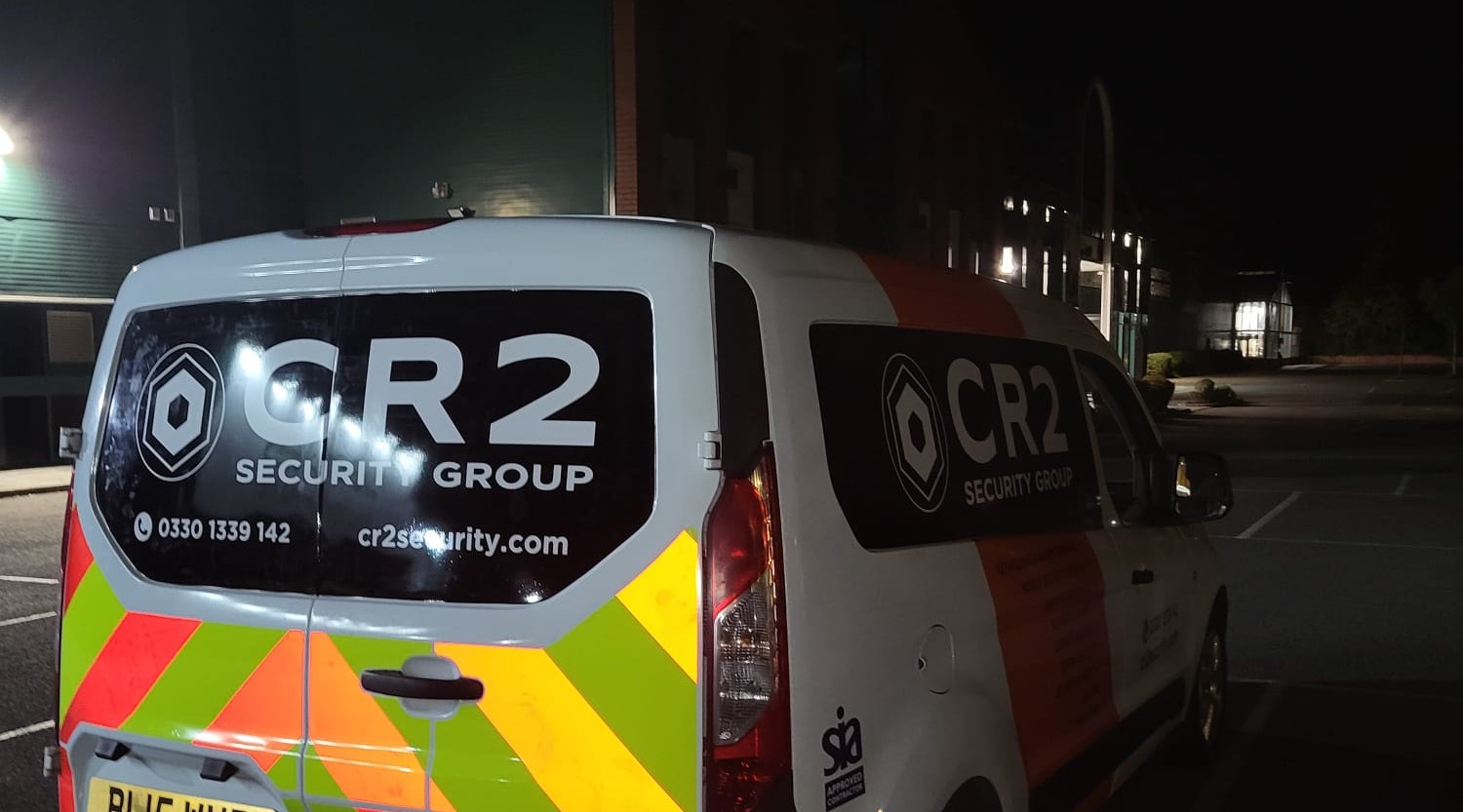
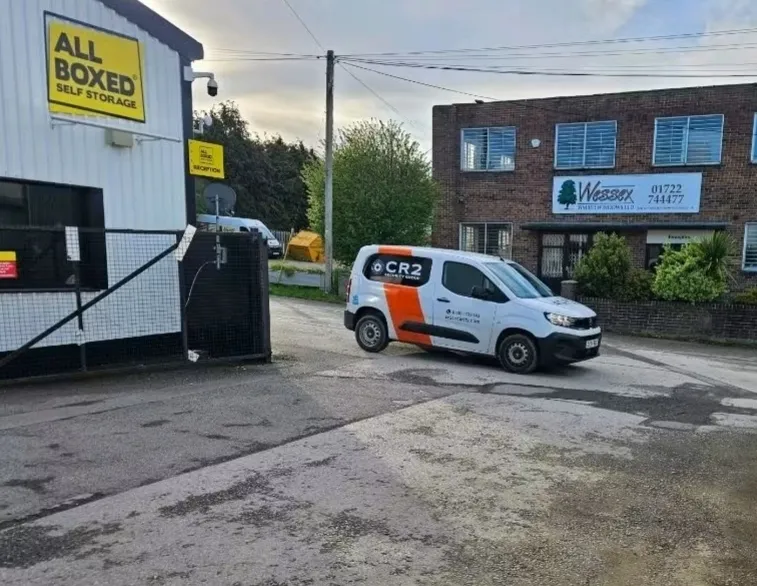
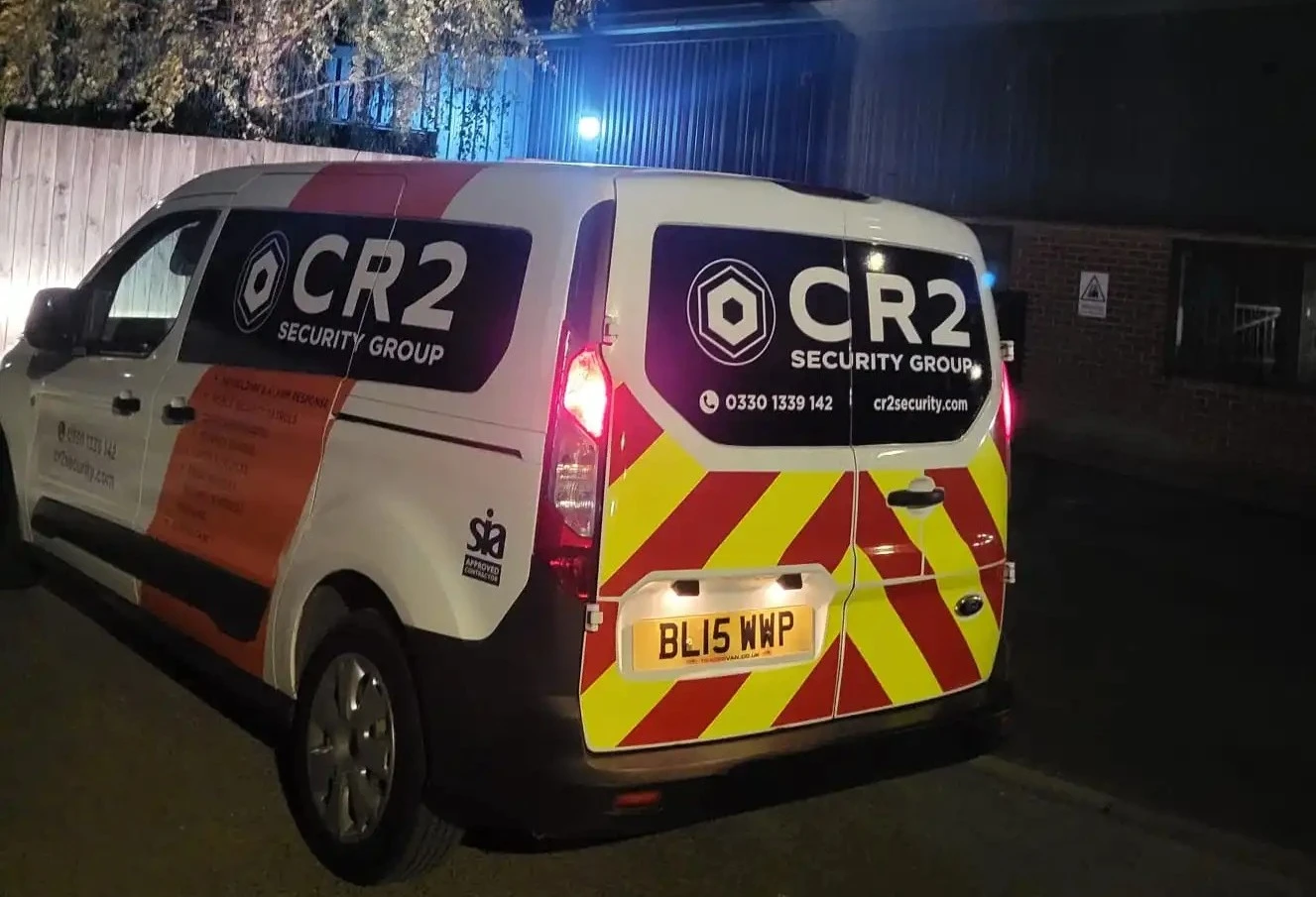
An appropriately trained and SIA-licensed CR2 Security response officer is dispatched to attend the premises.
Our mobile security operation supports customers across Wiltshire and surrounding counties.
The responding officer carries out the agreed checks, subject to the circumstances and safety considerations.
These may include:
The officer's priority is to manage the situation professionally and safely.
Following attendance, the incident is documented.
At CR2 Security Group, we use the very latest technology, including digital reporting platforms to provide customers with visibility of relevant site attendances and security reporting.
Depending on the incident, reports can include attendance information, findings, actions taken, photographs and any further recommendations.
This creates a useful record for management review, follow-up action and operational accountability.
Learn more in our existing article: How Does Professional Keyholding Work in Wiltshire?
When selecting a professional keyholding and alarm response provider, businesses should consider more than price alone.
The competence, reliability and compliance standards of the security company are important factors.
The Security Industry Authority (SIA) operates the Approved Contractor Scheme (ACS), which provides independent assessment of security businesses against defined standards.
CR2 Security Group holds SIA Approved Contractor status for Keyholding, Security Guarding and Door Supervision.
Our latest full-scope ACS assessment also resulted in a 33-point improvement on our previous audit score.
For customers, this demonstrates our commitment to independently assessed operating standards, professional management and continual improvement.
Alongside our ACS approval, CR2 Security Group maintains ISO 9001 certification and other recognised business accreditations.
Our approach also includes appropriate personnel screening, operational procedures and a commitment to transparent service delivery.
Not every security company operates to the same standards.
When choosing a provider, businesses should verify its current accreditations, relevant approved activities, insurance arrangements, key management procedures and incident reporting capabilities.
Professional keyholding and alarm response can support a wide range of commercial and public-sector premises.
Industrial premises may contain valuable machinery, equipment, stock and materials.
Out-of-hours alarm activations can create significant operational challenges, particularly where managers live some distance from the site.
Professional keyholding can be combined with mobile security patrols to provide additional physical security checks.
Educational premises may remain unoccupied for extended periods during evenings, weekends and school holidays.
Professional alarm response can help reduce the need for caretakers, site managers or senior staff to attend potentially hazardous situations outside normal working hours.
Office managers and directors should not automatically be expected to attend their workplace in the middle of the night.
A professional response arrangement can provide a clear process for dealing with alarms, insecure premises and unexpected security incidents.
Healthcare premises may contain sensitive information, specialist equipment and important operational assets.
Professional keyholding provides a structured approach to responding to out-of-hours security activations.
Council-owned premises, community facilities and other public assets often require dependable keyholding arrangements.
A professional service can help ensure consistent attendance procedures, accountability and documented reporting across multiple locations.
Unoccupied buildings can be vulnerable to unauthorised access, vandalism, theft and undetected damage.
Professional keyholding can be combined with scheduled vacant property inspections and mobile patrols to provide additional oversight.
When choosing a keyholding company, location and operational coverage should be important considerations.
A security provider may advertise nationwide services, but customers should understand how alarm response is actually delivered in their area.
Questions worth asking include:
At CR2 Security Group, we have established mobile security operations across Wiltshire and neighbouring counties, supporting a growing portfolio of commercial, educational, industrial and public-sector premises.
Our existing patrol routes and local operational knowledge help us deliver professional response services throughout areas including Melksham, Chippenham, Bath, Trowbridge, Salisbury, Westbury, Calne, Devizes, Corsham, Frome and Radstock, alongside other locations across the South West.
Response times can be influenced by distance, traffic, weather and operational demands, so responsible providers should avoid making unrealistic guarantees.
What matters is having an organised, accountable and appropriately resourced response operation.
For further information, read our article: Why Mobile Security Patrols Should Be Part of Your Business Continuity Plan.
Yes.
Professional keyholding does not mean business owners or managers must surrender all involvement in security decisions.
Many businesses choose to retain an internal management contact while appointing a professional security company as the primary alarm response provider.
Under this arrangement:
This approach can reduce the need for employees to attend routine out-of-hours activations while ensuring management remains informed when important decisions are required.
For many organisations, it provides a practical balance between professional security provision and internal operational control.
Yes. There is no general prohibition on employees acting as alarm keyholders. However, employers must consider applicable health and safety requirements, assess foreseeable risks and implement suitable control measures.
This depends on the employee's contractual responsibilities, the circumstances of the request and relevant employment and health and safety obligations. Employers should not assume that a general responsibility for premises management automatically makes every out-of-hours attendance reasonable or safe.
SIA licensing requirements depend on the activities performed and the contractual arrangements. Businesses should check that personnel hold the appropriate licence for any licensable security activities they undertake.
Professional keyholding costs depend on the provider, premises, location, response requirements and contractual arrangements. Many providers charge an annual retainer alongside separate alarm attendance fees. Businesses should request a clear quotation showing exactly what is included.
Yes. In many cases, the existing alarm monitoring company can notify the nominated professional keyholding provider when attendance is required. The notification and escalation arrangements should be agreed during setup.
At CR2 Security Group, relevant alarm attendances are documented through our reporting processes, providing customers with visibility of the incident, findings and actions taken.
Yes. Small businesses may benefit significantly from professional keyholding, particularly where the owner is the only available keyholder or where premises are unoccupied overnight.
Yes. Keyholding and alarm response can be complemented by scheduled or randomised mobile patrols, lock and unlock services and vacant property inspections, depending on the risks and requirements of the premises.
The decision to use employees as alarm keyholders should never be based solely on convenience or the assumption that it is the cheapest option.
Businesses should consider the safety of their employees, the reliability of their response arrangements, their health and safety responsibilities and the potential consequences of an incident being handled incorrectly.
Your employees are employed to carry out their roles. They should not automatically be expected to act as security response officers in the middle of the night.
At CR2 Security Group, we provide professional, SIA Approved keyholding and alarm response services designed to protect commercial premises, people and assets.
Our services include:
Whether you manage an industrial facility in Melksham, commercial premises in Chippenham, offices in Bath or an educational site in Salisbury, our team can help you establish a practical, professional security response arrangement.
Your keys. Our responsibility.
If your business currently relies on employees, managers or directors to attend alarm activations outside working hours, it may be time to review that arrangement.
Discover how our professional keyholding and alarm response services can help protect your premises and reduce unnecessary demands on your employees.
Want to step up your security? Get in touch with CR2 Security for a free security quote today!
Stay informed with the latest updates from CR2 Security. Explore company news, important announcements, and insights into our security services—all in one place!