Why Mobile Security Patrols Should Be Part of Your Business Continuity Plan
September 11, 2026
When businesses think about business continuity, the focus is often on what happens when something goes wrong internally. But there is another risk that is sometimes overlooked: What happens to your premises when nobody is there?
When businesses think about business continuity, the focus is often on what happens when something goes wrong internally.
IT systems fail.
Power goes down.
Suppliers experience disruption.
Staff shortages affect operations.
Equipment breaks.
But there is another risk that is sometimes overlooked:
What happens to your premises when nobody is there?
A business may have a detailed continuity plan covering operational disruption, but if the physical security of the premises is not considered, a break-in, vandalism or other security incident could cause significant disruption before anyone even knows it has happened.
This is where mobile security patrols can play an important role in a wider business continuity strategy.
For many businesses, the most vulnerable period is outside normal working hours.
During the day, premises may be occupied by employees, contractors, customers and visitors. There is activity around the site, doors are being opened and closed, and anything unusual is more likely to be noticed, or deterred.
At 2am, things can be very different.
A quiet industrial estate, empty office, construction site, warehouse or commercial premises can present an opportunity to an individual looking to cause damage or steal property.
It could start with something as simple as:
By the time someone arrives at the site the following morning, the damage may already have been done.
Alarms, CCTV and other security systems are important tools, but they are generally reactive.
They tell you that something has happened or that a potential incident has been detected.
A mobile security patrol adds a preventative layer of protection by putting a visible security presence on your premises before an incident occurs.
Regular patrols can help deter opportunist criminals simply through the knowledge that the site is being actively checked.
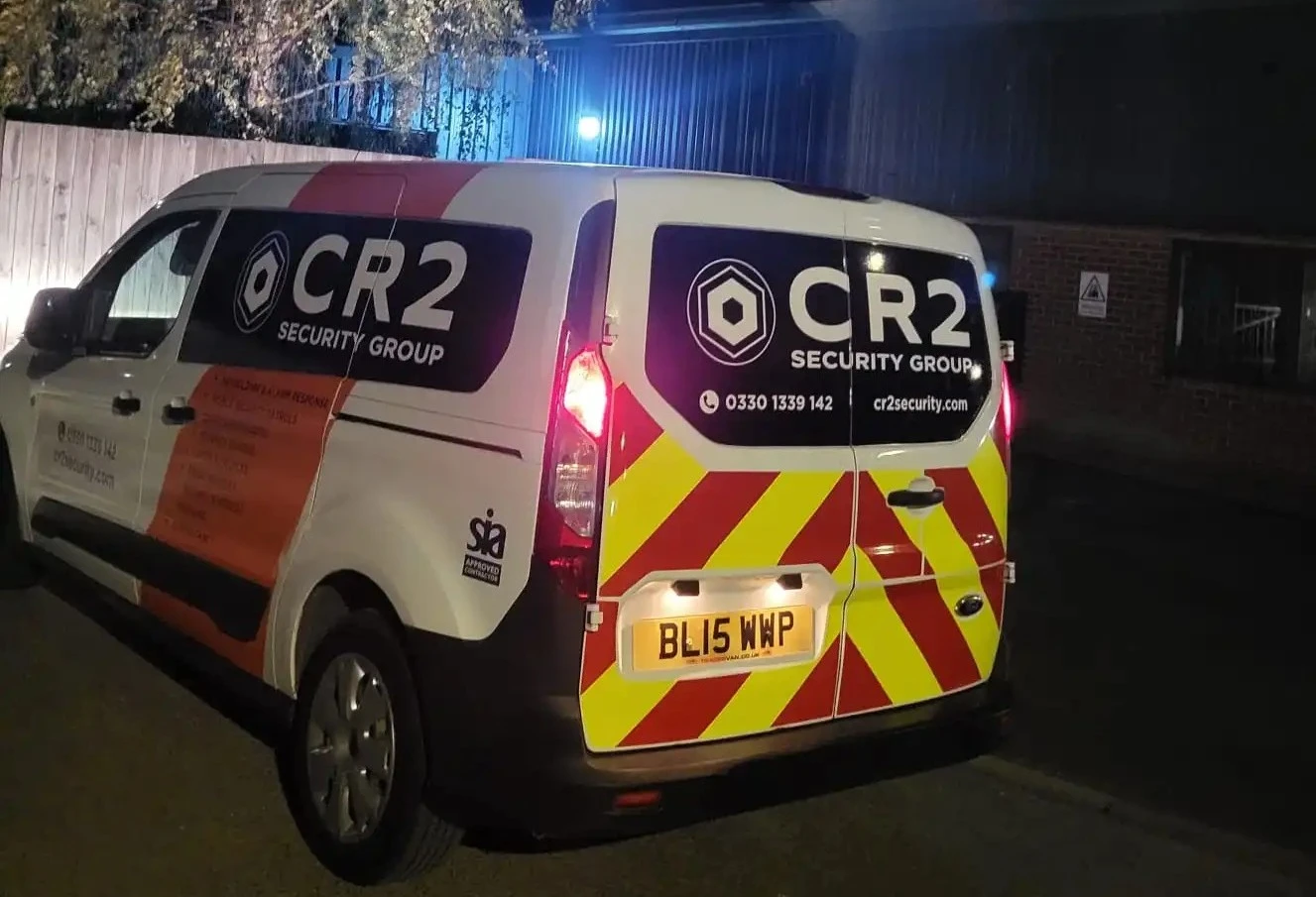
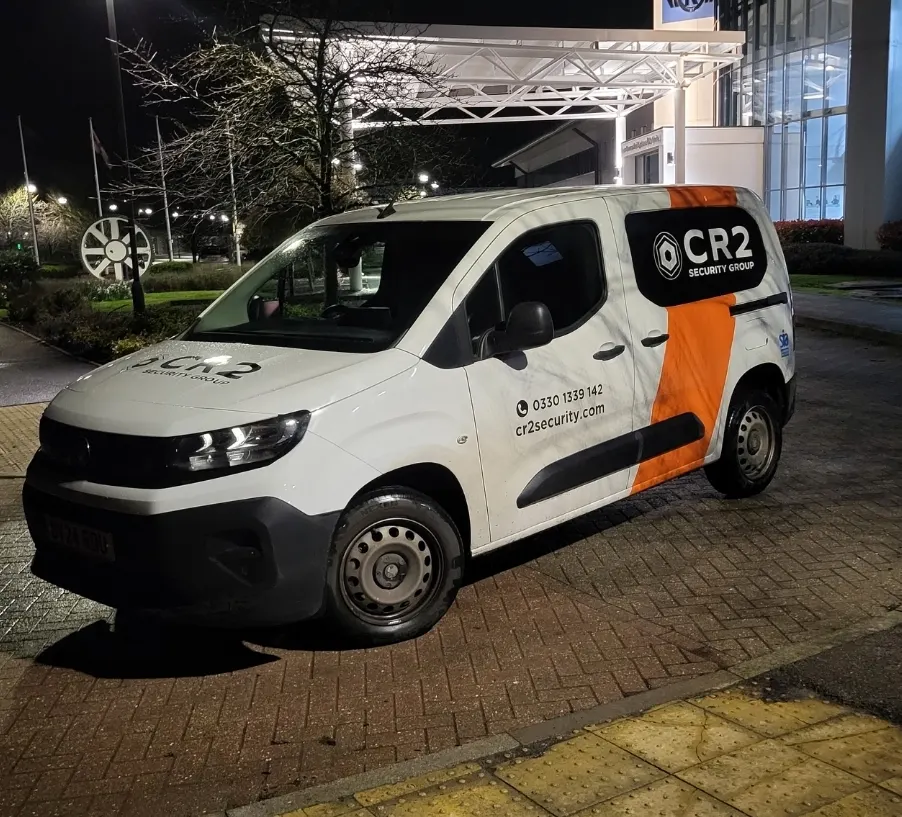
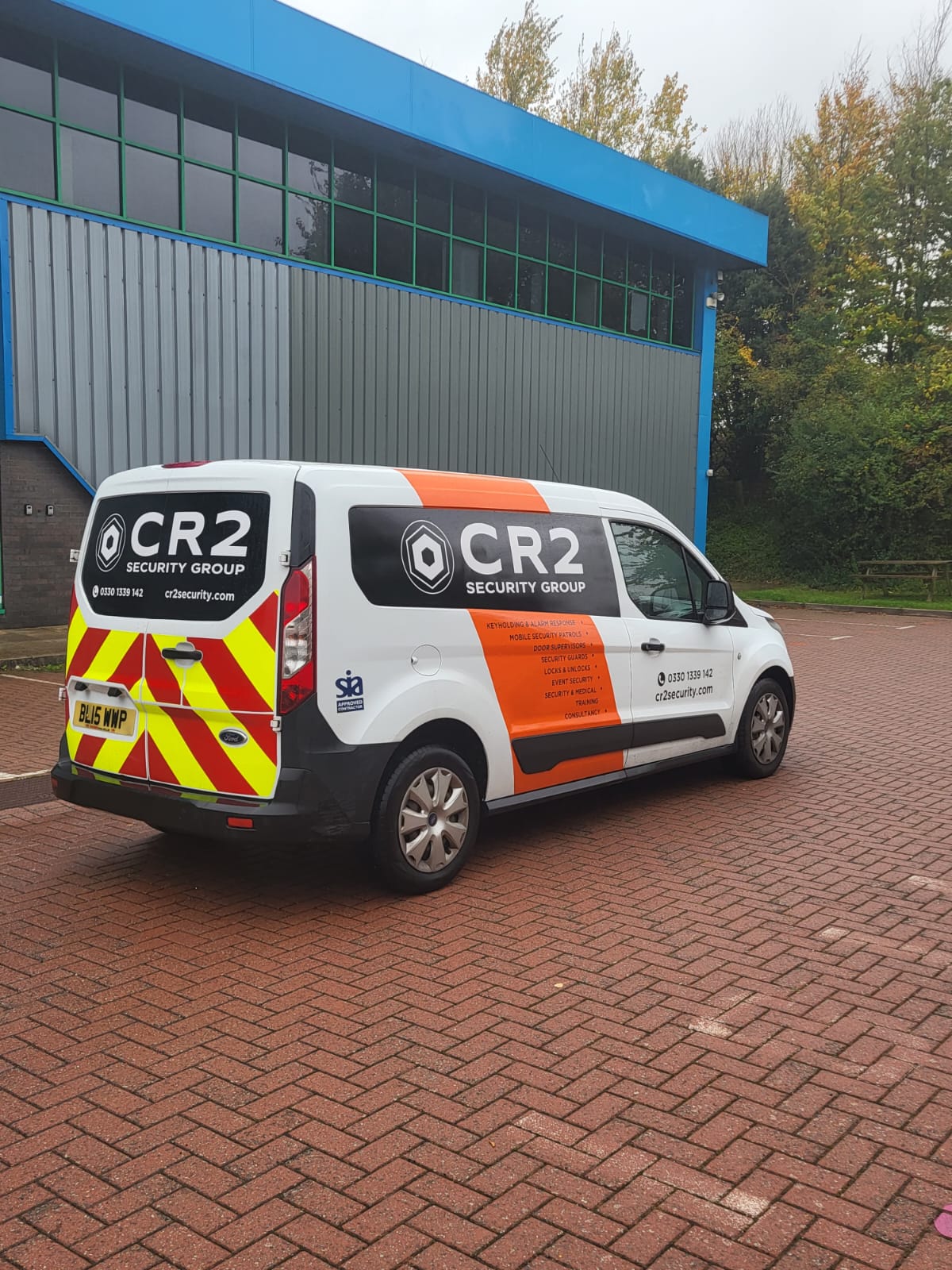
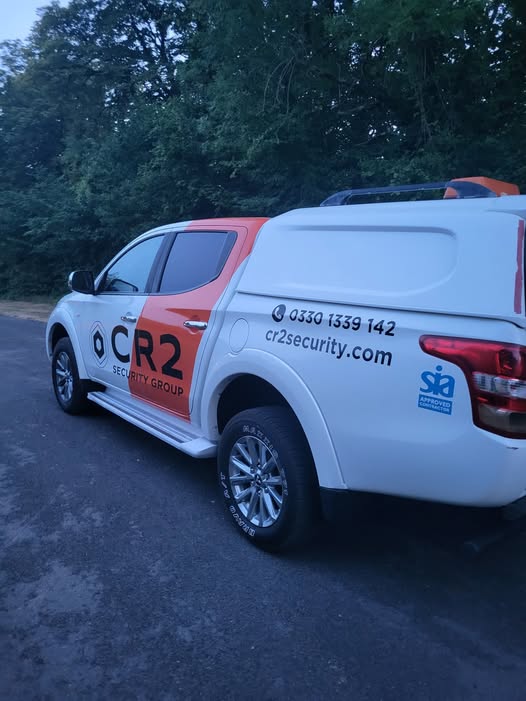
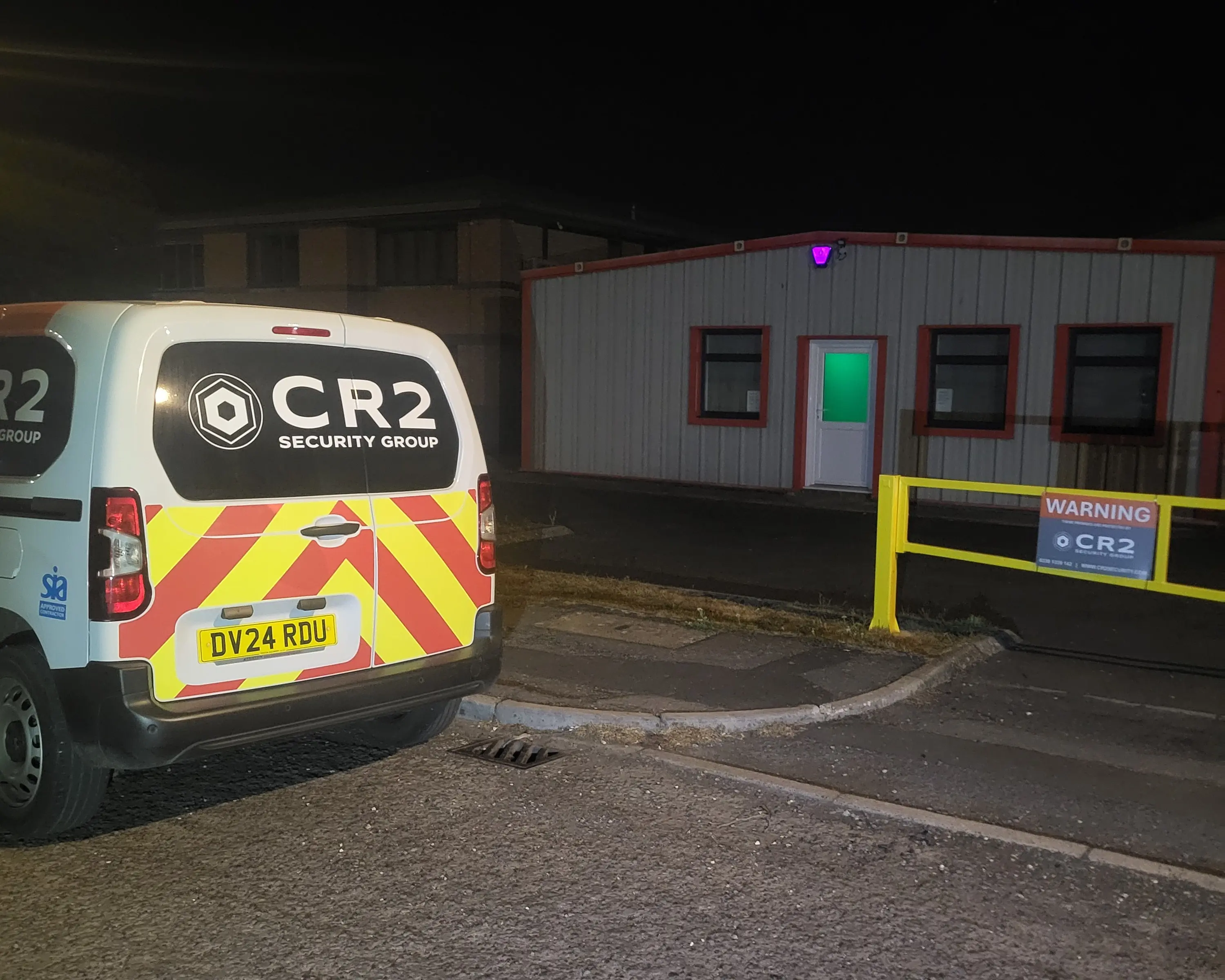
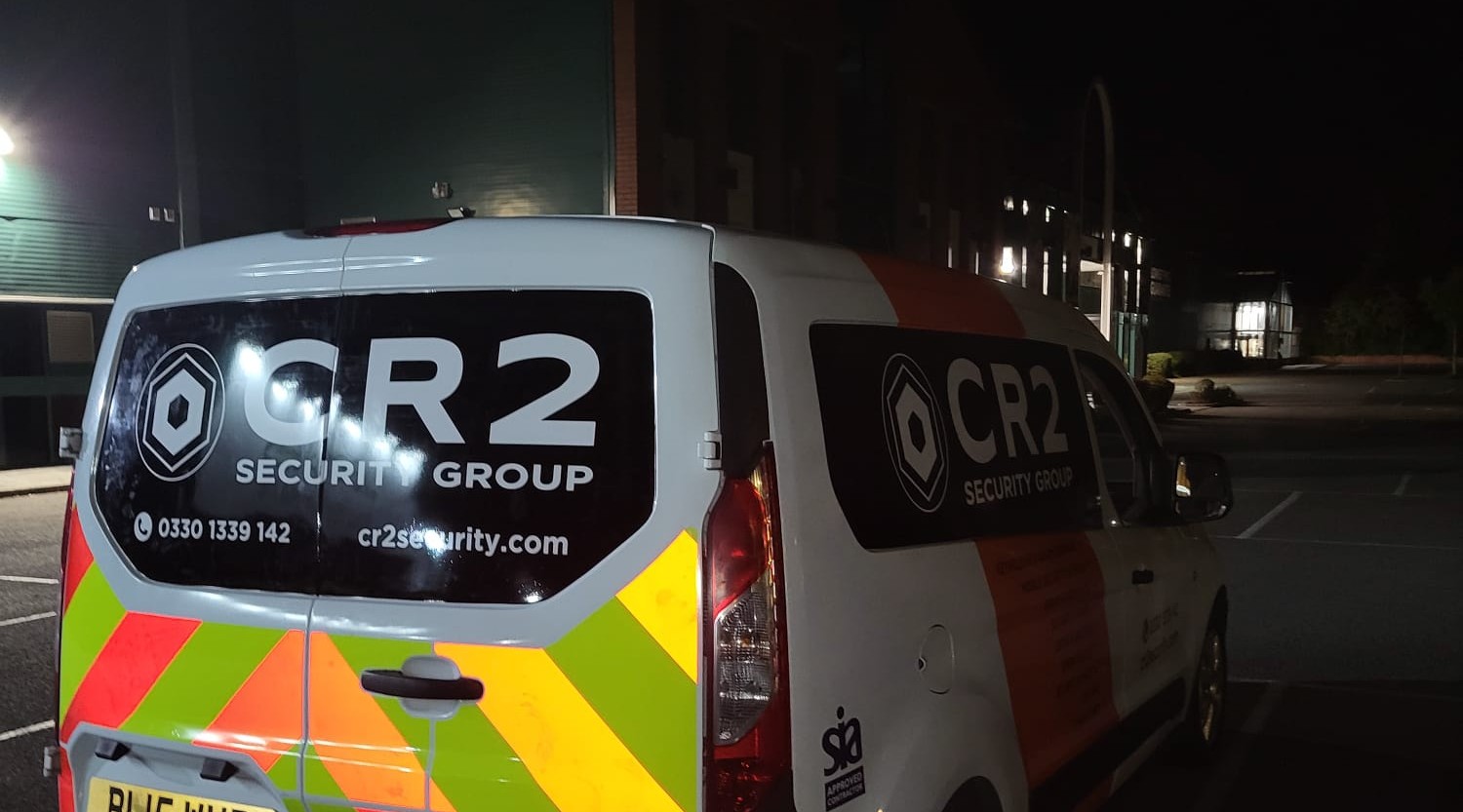
A marked security vehicle arriving at a premises, a trained security officer carrying out external checks and regular visits at unpredictable times can make a site considerably less attractive to someone looking for an easy target.
Security patrols aren't about guaranteeing that crime will never happen.
They're about reducing opportunity, identifying problems early and improving your ability to respond when something isn't right.
One of the biggest advantages of regular mobile patrols is that they can identify issues that may otherwise go unnoticed for hours.
During a patrol, a trained security officer can check for signs such as:
Finding a problem at 1am is very different from discovering it at 9am.
The earlier an issue is identified, the sooner appropriate action can be taken.
That could mean securing an access point, notifying a responsible person, contacting the emergency services where appropriate, arranging repairs or simply ensuring the site remains protected until the issue can be resolved.
Business security isn't just about protecting buildings, vehicles, stock and equipment.
It's about protecting business operations.
Imagine arriving at work to discover that your premises has been broken into overnight.
The consequences could extend far beyond the physical damage.
You may have:
A relatively straightforward security incident can quickly become a business continuity problem.
That is why physical security should be considered alongside your other continuity measures.
The most effective security strategy rarely relies on a single measure.
nstead, businesses can use several layers of protection working together, with each measure addressing a different part of the risk.
For example:
Fencing, gates and barriers help control access to your premises and can make unauthorised entry more difficult.
Provides visibility across your site and can help identify suspicious activity, security breaches or incidents as they occur.
Can detect unauthorised access and alert the appropriate people when an alarm condition occurs.
Helps restrict who can enter specific buildings, areas or facilities, reducing the risk of unauthorised access.
Provide a physical and visible security presence, with trained officers carrying out regular checks of your premises. Patrols can help deter criminal activity, identify vulnerabilities and detect issues before they develop into more serious incidents.
Provides a trained security professional who can attend your premises when an alarm activates, rather than relying on employees or business owners to respond. This provides a safer and more reliable out-of-hours response.
Ensures your premises are securely locked at the end of the working day and safely opened at the start of the next. This can provide businesses with reassurance that doors, gates and designated access points have been checked and secured, even when their own staff are not available.
For businesses requiring a continuous security presence, a static security officer can provide dedicated protection on site. Officers can monitor access, control visitors and contractors, conduct patrols, monitor CCTV, protect assets and respond to security concerns throughout their shift.
When these measures are carefully combined, they create a layered security strategy that helps protect your people, premises and assets while supporting your wider business continuity plan.
The objective isn't simply to respond when something goes wrong. It's to create multiple layers of protection that can deter, detect, delay and respond to security threats — helping reduce the likelihood of an incident and minimise disruption if one does occur.
This is another area where business continuity and security overlap.
An alarm going off in the middle of the night can create a difficult situation for business owners and managers.
Who is going to attend?
Who has the keys?
Who is responsible for checking the premises?
Is it safe for an employee to attend alone?
What happens if there has been a genuine break-in?
A professional keyholding and alarm response service can provide a structured response.
Rather than relying on a business owner or member of staff to leave home and attend the premises in the early hours, a trained security professional can respond, assess the situation and follow the agreed response procedures.
This can provide greater reassurance while reducing the burden placed on employees.
A good business continuity plan should not only explain what your organisation will do after something goes wrong.
It should also consider what can be done to reduce the likelihood and impact of disruption in the first place.
That means asking questions such as:
Who is checking our premises outside working hours?
How quickly would we know if there was a problem?
Who would respond if our alarm activated at 2am?
Who has access to the keys?
What happens if an access point is damaged?
How quickly could we secure the site?
Would our employees know what to do?
These questions can help identify weaknesses in your existing security arrangements.
No security measure can eliminate every risk.
However, taking a proactive approach can make it harder for criminals to exploit your premises and can significantly improve your ability to detect and respond to incidents.
For businesses that operate from empty premises overnight, mobile security patrols can provide an important additional layer of protection.
At CR2 Security Group, we provide professional mobile security services designed to help businesses protect their premises outside normal operating hours.
Our mobile security services can include regular security patrols, site checks, keyholding, alarm response and lock-up services, depending on your requirements.
One of the biggest advantages of mobile security patrols is their cost-effectiveness.
Having a fully trained security officer permanently stationed at your premises can provide an excellent level of protection, but it can also represent a significant ongoing investment, particularly for businesses that only need security outside normal working hours.
Mobile patrols can provide many of the benefits of a physical security presence at a fraction of the cost of having a full-time officer permanently on site.
Rather than paying for an officer to remain at your premises throughout the night, businesses can use scheduled or risk-based patrols to provide a visible security presence, carry out site checks and identify issues when they matter most.
For many businesses, this means they can strengthen their security without taking on the cost of a dedicated 24/7 guarding solution.
It is about finding the right level of security for the actual risk — not simply paying for security that you don't need.
Whether you operate an office, warehouse, industrial unit, construction site, commercial premises or another type of property, we can work with you to develop a security solution that supports your wider business continuity arrangements while remaining commercially practical.
Good security doesn't always mean having someone standing at your front door all night. Sometimes, a well-planned mobile patrol can provide the right level of protection at a significantly lower cost.
If something happened at your premises tonight, how quickly would you know — and what would happen next?
If the answer isn't clear, it may be time to review your out-of-hours security arrangements.
Don't wait for a security incident to expose a weakness in your business continuity plan.
Speak to CR2 Security Group today to discuss how mobile security patrols, keyholding and alarm response can help protect your premises and support your business continuity strategy.
CR2 Security Group
📞 0330 133 9142
🌐 www.CR2security.com
✉️ Office@CR2security.com
Proactive security. Professional response. Protection when your business is closed.
Want to step up your security? Get in touch with CR2 Security for a free security quote today!
Stay informed with the latest updates from CR2 Security. Explore company news, important announcements, and insights into our security services—all in one place!


.png)


.avif)




.webp)
.webp)